We’ve all felt it, that itch for something more than another scroll session.
People aren’t just dipping toes back into the physical world; they’re diving in headfirst, chasing the kind of connections screens can’t replicate. From DJ sets in bakeries to post-run brunches at corner cafés, food and lifestyle brands are quietly rewriting the rules of engagement. As a creative studio immersed in food branding and storytelling, we see this shift daily in client projects and market scans. It’s not hype; it’s a signal that offline experiences are reclaiming center stage in marketing strategies, blending community with smart branding to build lasting loyalty.
Setting the Scene: From Virtual Fatigue to Tangible Bonds
The pandemic accelerated a digital overload that’s now boomeranging. Lockdowns wired us for virtual everything, but as restrictions lifted, behaviors flipped.
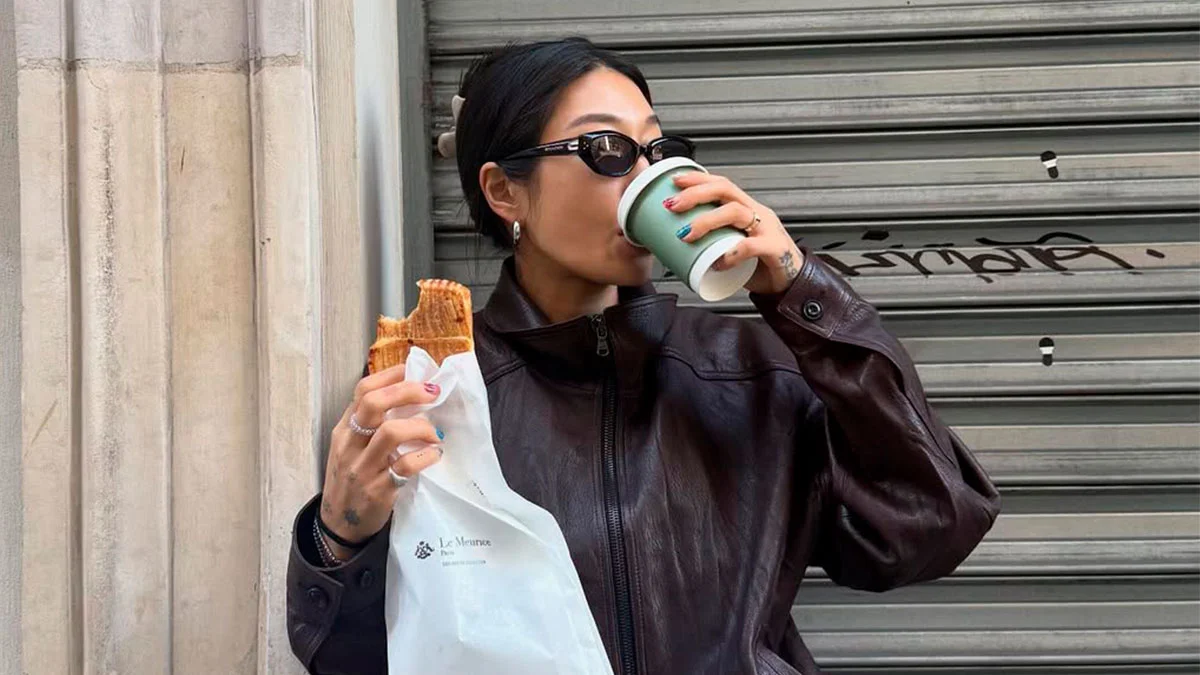
Surveys show 78% of consumers now crave real-world interactions for brand loyalty, prioritizing shared moments over polished feeds. Signal the bakery raves popping up in Paris, Brussels, and beyond. Sober, daytime parties amid croissants that rack up millions of views without a drop of alcohol. Running and hiking clubs, backed by brands like Oatly, funnel sweaty groups straight to cafés for recovery rituals.
This isn’t random noise. It’s a market correction: Gen Z and Millennials, burned by Zoom fatigue, seek belonging in hybrid spaces where food anchors the vibe. For food branding pros and lifestyle brands, the stakes are clear. Ignore this, and your venue risks fading into generic backdrop status. Lean in, and you turn a coffee spot into a cultural checkpoint, where storytelling happens live and identity visuelle sticks through shared memories.
The Rise of Proper Offline Marketing in 2026
Looking ahead to 2026, proper offline marketing emerges as the defining counterforce to digital saturation, where crafted in-person experiences outpace fleeting online ads in building trust and recall. We’re talking tactile activations, pop-up tastings, neighborhood block parties, or artisan markets, that root brands in local rhythms, generating buzz that feels earned rather than bought.
Data backs it, experiential tactics yield 5x higher engagement rates than digital alone, with 65% of attendees sharing unprompted content that amplifies reach organically. For food and lifestyle brands, it’s a stratégie de marque pivot: offline becomes the memorable anchor, digital the echo chamber.
What We’re Seeing Up Close
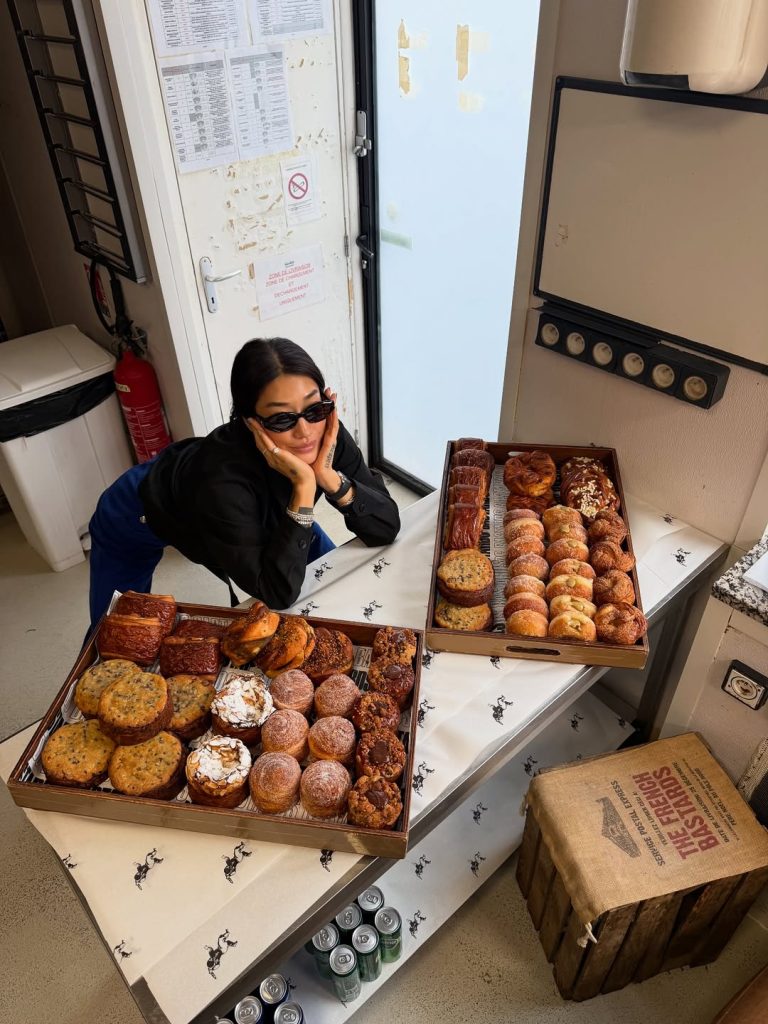
On the ground, the patterns are sharp. We’ve tracked Peggy Gou’s October 2025 pop-up at The French Bastards in Paris: a boulangerie transformed into a breakfast rave with her and Bambounou on the decks, pastries flowing during Paris Fashion Week. Produced with pro sound and her Peggy Goods merch, it packed the room and spilled onto Instagram, proving food spaces can host star-powered moments without losing their soul.
Elsewhere, cafés partner with local run clubs, setting up hydration stations and themed brunches that turn off-peak hours into revenue spikes.
European boulangeries host “rave mornings,” drawing crowds for beats over baguettes. These aren’t one-offs; they’re repeatable formats where brands sponsor the energy.
The Deeper Story These Moments Tell
Strip away the viral clips, and these signals reveal a hunger for authenticity in a filtered world. Bakery raves work because they subvert expectations: a flour-dusted dancefloor feels rebellious yet safe, alcohol-free and accessible. Run club collabs tap into wellness narratives, positioning cafés as post-effort rewards rather than transactional stops. What ties them? Community as the hero, with food as the quiet enabler.
This offline pull counters digital ad fatigue, where impressions dilute impact. Live events create unscripted stories, a laugh over shared croissants, a group photo mid-brunch, that fuel organic content strategy.
For branding, it’s gold: perceptions shift from “place to grab coffee” to “spot where things happen,” embedding your identité visuelle in real memories.
What Brands Should Act On Now
We’ve boiled this down to moves that stick without overwhelming small teams:
Reshape Spaces for Flow Start with modular communal areas that flex between product display and event hosting. Think warm lighting, communal seating, ambient sound systems, can boost dwell time by 35-50%. The goal: make people forget they’re in a “store.”
Seek Aligned Partners Over Big Reach Partner with local artists, or niche clubs whose vibe matches your brand DNA. Prioritize cultural fit over follower counts. Pilot one monthly format and iterate based on repeat footfall, not one-time spikes.
Build Rituals Around Off-Peaks Dead Tuesday mornings? Launch a priced-right brunch series that habit-forms over 8-12 weeks. Rituals beat events because they compound: attendees become ambassadors, and empty hours become revenue opportunities.
Your Move: Create Spaces That Matter
Offline marketing in 2026 isn’t a throwback, it’s table stakes for brands serious about cutting through noise and building lasting equity.
The winners won’t be those with the biggest budgets, but those who treat physical spaces as strategic channels deserving the same rigor as your paid campaigns.
Start small. Test one format. Measure what sticks.
Ready to design your offline strategy?
Whether you’re reshaping an existing space or launching your first physical activation: our studio helps brands craft experiences that turn visitors into community. Book a consultation now.