Let’s talk about something that all creatives have been noticing a LOT lately… More and more businesses are using AI-generated images across their marketing, and I get it. The appeal is undeniable: instant visuals, no photoshoot costs, unlimited variations. For small business owners watching every penny, it feels like the smart move.
But here’s what I’m also seeing: the comments. The direct messages. The conversations happening in social media threads and TikTok videos that brands aren’t part of.
“I saw AI images on their website and immediately closed the tab.”
“If a coffee shop has AI-generated posters, I’m walking past, even if I want coffee.”
“No real photos = scam vibes. I don’t care how nice it looks.”
These aren’t from tech purists or design snobs. They’re from regular customers, the exact people businesses are trying to reach. And they’re not outliers anymore. These sentiments are going viral, racking up thousands of likes and comments from people nodding along.
That’s when I realized: something fundamental has shifted in how customers perceive brands that rely heavily on AI imagery. And most businesses have no idea it’s happening.
It’s Not About the Technology, It’s About the Trust
Let me be clear from the start: I’m not here to shame anyone for using it. But we need to talk about what’s actually happening when customers encounter AI-heavy branding, because the gap between intention and perception has become enormous.
When you see an AI image, you might think: “This looks okay, it does the job and it’s cheap yay” but then customers see something else: a lack of authenticity.
That difference matters more than most brands realize. In my conversations with business owners, I keep hearing the same logic: “But it looks good, and it saved us money.” And yes, technically, that’s true. But looking good and feeling trustworthy aren’t the same thing.
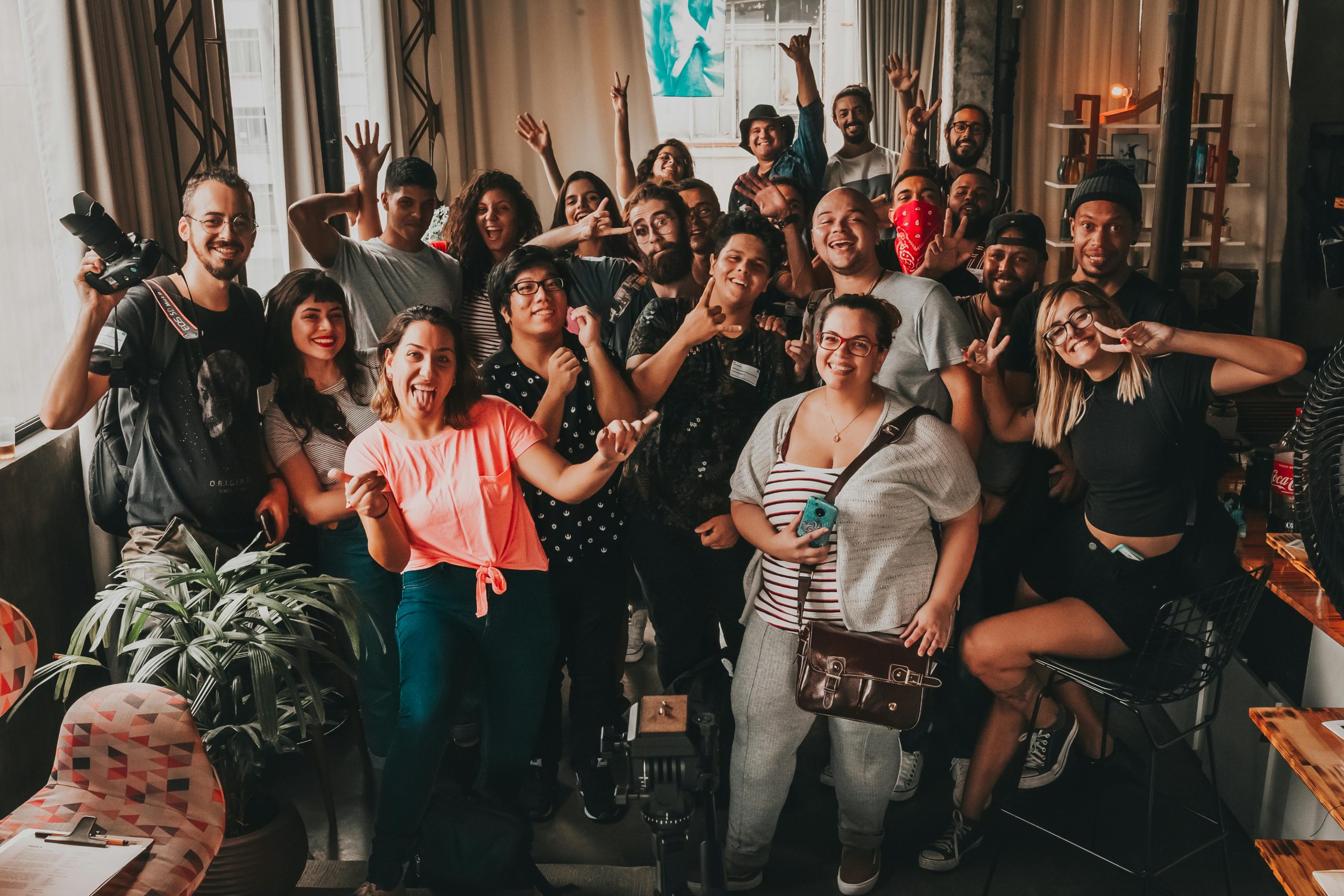
Think about it from their perspective. When someone visits a website or social media page, they’re looking for signals that help them decide whether to trust you. Real photos of your actual space, products, or team tell them: “This place exists. These people are real. They’re proud enough of what they do to show it.”
AI images, no matter how beautiful, can’t send that signal. Instead, they accidentally communicate things you probably don’t intend: “They couldn’t afford real photos” or “They didn’t care enough to invest in showing the real thing” or worse, “Are they even a real business?”
When Big Budgets Don’t Save You
This isn’t just affecting small businesses either. I’ve watched major brands stumble badly with AI imagery, and it’s been instructive.
McDonald’s Netherlands learned this the hard way recently. They released an AI-generated Christmas ad that seemed fine on paper, probably checked all the boxes in the creative brief. But the public response was so negative they had to pull it entirely. Meanwhile, Intermarché France released a traditionally animated Christmas film that went viral for all the right reasons because of its genuine emotional resonance and obvious craftsmanship.
Same type of campaign, vastly different approaches. If companies with massive budgets and entire marketing departments are getting burned by over-relying on AI imagery, what does that tell us?
The Hidden Costs Nobody Talks About
Here’s the conversation I have most often with business owners: “But hiring a photographer or designer is expensive.” And you’re right. It absolutely can be.
But let’s talk about the other costs, the ones that are harder to measure but potentially far more damaging. What does it cost when potential customers bounce off your website because something feels off? When they choose a competitor whose imagery feels more authentic? When they associate your brand with the “cheap dropshipping scam” aesthetic that AI imagery has unfortunately become linked with?
I’m not suggesting every small business needs expensive photoshoots and custom design work for everything. That’s not realistic, and I understand the constraints you’re working under. But I am suggesting that the calculation isn’t as simple as “AI = cheap, traditional = expensive.”
Sometimes the cheapest option becomes the most expensive mistake.
What Actually Works: Do It Yourself or Hire Local
From everything I’ve seen working with various brands, here’s what actually resonates with customers right now:
People genuinely prefer when you do things yourself. That iPhone photo you took of your café corner? The slightly imperfect shot of your product in natural window light? Your team photo where someone’s blinking? Customers love that stuff. It shows you’re real, you’re present, and you care enough to document your own story.
And if you want to invest in looking more polished, hire your local graphic designer or photographer. Seriously. That freelancer in your community or your photographer friend. Not only will you get visuals that actually represent your business, but you’re supporting real people and building relationships that can grow with your brand.
If you’re trying to save money, this is how you do it: shoot your own content and work with local creatives when you need help. It’s more authentic than AI, more affordable than big agencies, and honestly? Your customers will respect you more for it.
Moving Forward Without Fear
If you’ve been using AI imagery and you’re reading this thinking “Oh no, have I ruined my brand?” take a breath. You haven’t.
Trends shift, and you can always adjust course. The businesses that will struggle are the ones that ignore these signals and double down on artificial imagery without questioning whether it’s serving them.
The ones that will thrive are those who find their own balance, who use technology thoughtfully as one tool among many, who remember that at the end of the day, they’re not trying to impress an algorithm. They’re trying to connect with real human beings who have feelings, instincts, and frankly, pretty good bullshit detectors.
Use AI where it makes sense. But don’t let it erase the realness that makes your brand worth caring about in the first place.
Because I can promise you this: in a world that’s increasingly flooded with generated content, authenticity isn’t just nice to have anymore. It’s becoming your competitive advantage.